The Essential Role of Underlayment in Roofing: What Homeowners Must Know Feb 09, 2026
Underlayment, a protective barrier between the roof deck and the outer roofing material, acts as the roof's first line of defense against the elements. During heavy rains or snowstorms, it prevents water from seeping into the roof deck. This extra layer is crucial in preventing water damage, which can compromise the structural integrity of the roof and lead to costly repairs. Moreover, underlayment provides an additional layer of protection in case shingles or tiles are damaged or blown off during severe weather.
There are primarily three types of roofing underlayment: asphalt-saturated felt, rubberized asphalt, and synthetic underlayment. Each type has its benefits, and the choice largely depends on the specific needs of your home and regional climate conditions.
Asphalt-saturated felt, often referred to as "tar paper," is the traditional choice for most residential roofs. It offers good protection against water penetration and is cost-effective. However, it may not withstand higher temperatures and can become brittle over time. On the other hand, rubberized asphalt is more robust and provides superior waterproofing. It is often used in areas that experience extreme weather conditions but comes at a higher price point.
Synthetic underlayment is a more modern option that has gained popularity in recent years. Made from polypropylene or polyethylene, it is lightweight, resistant to tearing, and provides excellent protection across various weather conditions. Synthetic underlayment is also slip-resistant, offering added safety during installation. Although it tends to be more expensive than traditional felt, many homeowners consider it a worthwhile investment due to its durability and effectiveness.
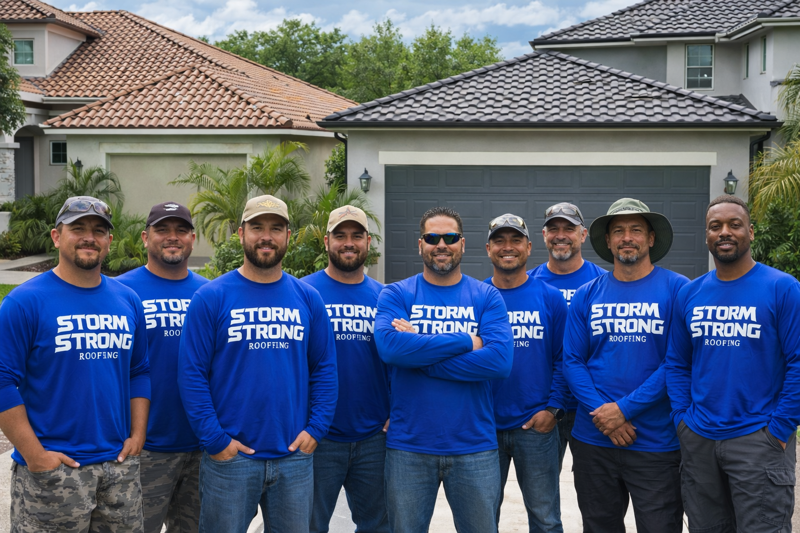
Choosing the right underlayment is essential for maximizing the lifespan and performance of your roof. When planning a roofing project, partnering with experienced professionals like Storm Strong Roofing ensures that the right materials are used for the job. From evaluating regional climate needs to considering the architectural design of your home, professional roofers can provide insights and recommendations tailored to your specific situation.
An often-overlooked benefit of quality roofing underlayment is energy efficiency. Properly installed underlayment can contribute to better insulation, helping to maintain comfortable temperatures inside your home and potentially reducing energy costs. This aspect of roofing not only enhances indoor comfort but also supports sustainable living practices.
In conclusion, while shingles and tiles are essential components of any roofing system, the underlayment beneath them is just as important. It serves as a crucial protective layer that can prevent water damage, enhance durability, and contribute to energy efficiency. By understanding and selecting the appropriate underlayment, homeowners can ensure the long-term resilience and effectiveness of their roofing systems. Trusting professionals like Storm Strong Roofing guarantees expert advice, high-quality materials, and outstanding service, giving you peace of mind that your home is well-protected against whatever nature might throw its way.
/filters:no_upscale()/filters:format(webp)/media/28509a83-ce1f-4002-aecf-0696302f017e.png)
/filters:no_upscale()/filters:format(webp)/media/ad460a30-ff4e-4314-b084-395a4e80af21.jpeg)